
Yet Another Habitable Saturn Moon?
Saturn’s moon Mimas could have a buried underground ocean beneath its surface. Researches suggest that it could potentially be a geologically active, habitable place. Link: https://psi.edu/news/walkermimasocean


Saturn’s moon Mimas could have a buried underground ocean beneath its surface. Researches suggest that it could potentially be a geologically active, habitable place. Link: https://psi.edu/news/walkermimasocean

Since the first announcement five years ago, subsequent studies have revealed a lot about the TRAPPIST-1 system. But, a real game-changer will be the recently launched James Webb Space Telescope, which will look for signs of atmospheres on the TRAPPIST-1 planets. Link: https://www.nasa.gov/feature/jpl/day-of-discovery-7-earth-size-planets

Studying the sun and its processes aids in understanding the distribution of life within our solar system. A mass solar eruption took place two weeks ago, captured by the ESA/NASA Solar Orbiter spacecraft (fortunately in a direction away from us!) Link: https://www.esa.int/Science_Exploration/Space_Science/Solar_Orbiter/Giant_solar_eruption_seen_by_Solar_Orbiter
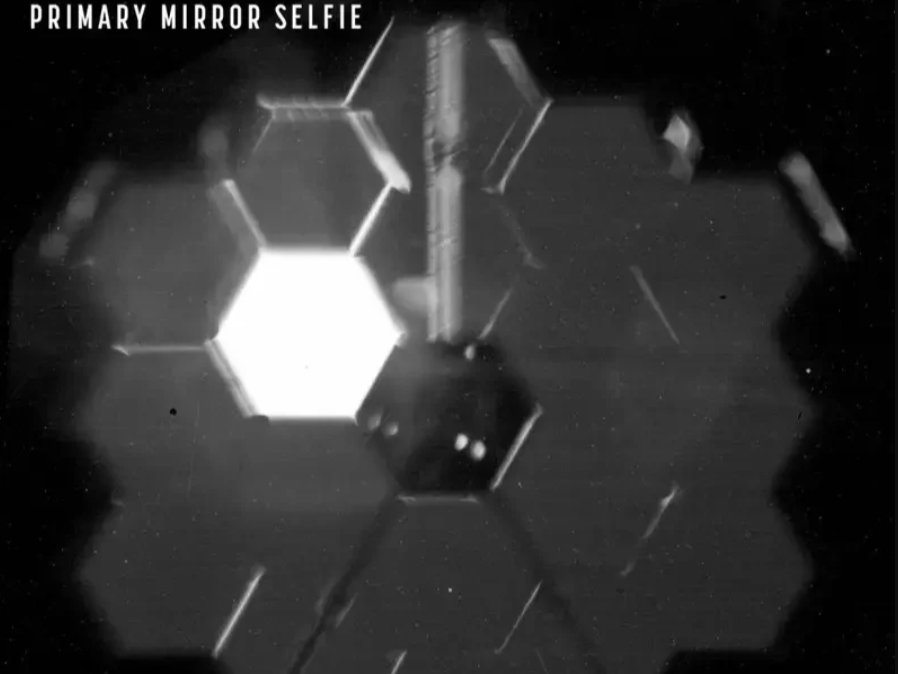
The “Webb” selfie, and a mosaic of 18 images of a single star, chosen because it is easy to identify. Admittedly not the most exciting photos, but they are another indication that Webb is up, running, and performing just as it should! Link: https://www.redsharknews.com/webb-sends-back-its-first-images?hs_amp=true

When NASA’s Perseverance Mars rover tried to collect its first rock core sample, something puzzling happened: the rover’s sample tube came up empty. But why? Link: https://phys.org/news/2022-02-earth-nasa-perseverance-mars.html
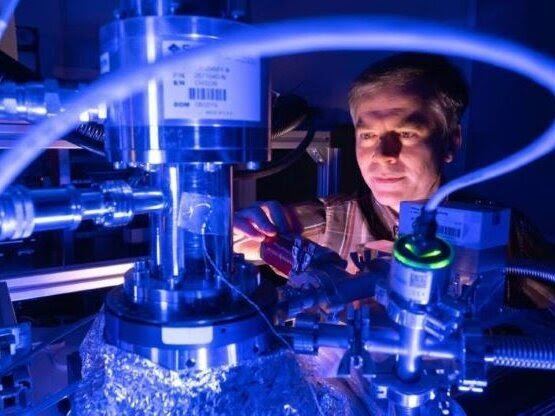
This team finds that not only amino acids, but also peptide chains, can have cosmic origins. Does this mean we should search outside Earth to find the origin of life? Link: https://phys.org/news/2022-02-team-clue-extraterrestrial-peptides.html
